
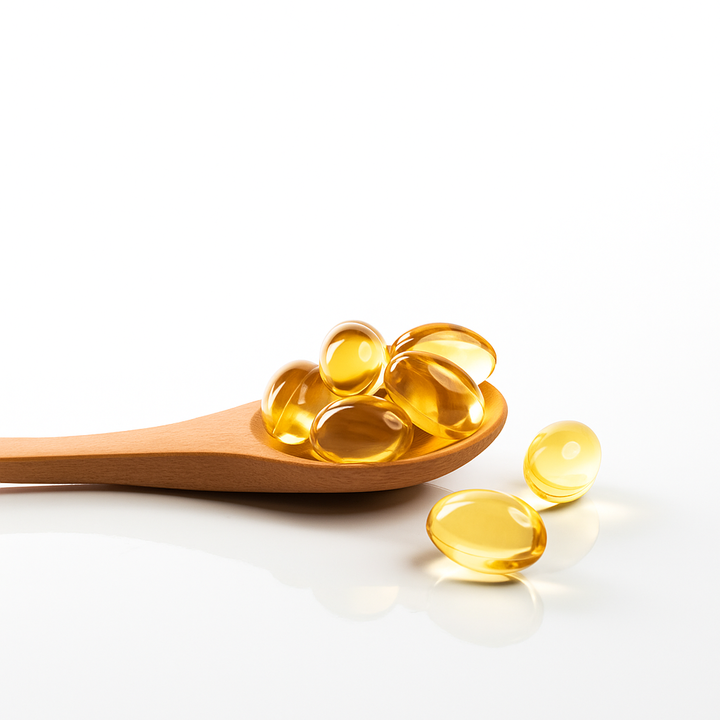
Vegan Omega 3
Looking for Vegan Omega 3 supplements? At Morgen is Nu, you'll find only high-quality omega 3 supplements, carefully selected for their quality, sustainability and effectiveness. Find out everything you want to know about omega 3: from sources to the differences between EPA and DHA.
By: Stefan, last updated 26-06-2025.
Contents
- Our favourite (vegan) Omega 3 supplements
- What is Omega 3?
- Omega 3 deficiency symptoms
- Which foods contain Omega 3?
- Vegan Omega 3
- EPA and DHA
- Sources
Our favourite (vegan) Omega 3 supplements
- Vegan Omega 3 met DHA & EPA by Morgen is Nu
- Mama Omega 3 by Laveen
- Vegan Omega-3 Drops by MaryRuth’s
What is Omega 3?
Omega 3 fatty acids are polyunsaturated fatty acids that play an important role in our diet. They are divided into ALA (plant-based), EPA and DHA (mainly from marine sources). The body can only convert limited amounts of ALA into EPA and DHA, so getting them directly from food or supplements can be valuable. (source)
Omega 3 deficiency symptoms
A deficiency in omega 3 fatty acids can cause subtle but noticeable signs. Possible symptoms of low omega 3 levels include:
- Dry skin or eczema
- Fatigue
- Difficulty concentrating
- Mood swings
- Dry eyes
Although these signs are not exclusive to an omega 3 deficiency, they may be a reason to review your intake. If in doubt, always consult a qualified professional.
Which foods contain Omega 3?
Omega 3 fatty acids occur in different forms in food:
- ALA: flaxseed, chia seeds, walnuts, hemp seeds, rapeseed oil
- EPA and DHA: mainly in oily fish (such as mackerel, herring and sardines), algae and algae oil
For those following a plant-based diet, algae and algae oil are the only direct sources of EPA and DHA. (source)
Vegan Omega 3
Plant-based omega 3 is growing in popularity, and rightly so! Its appeal goes beyond being suitable for vegans: sustainability matters too. Producing algae oil places considerably less strain on the ecosystem than fishing and helps counter overfishing. (source)
What many people don't know is that fish do not produce omega 3 themselves. They get EPA and DHA by eating microalgae. By using algae oil, you go straight to the source, without the need for fish. This makes algae oil a pure and sustainable alternative.
At Morgen is Nu, we deliberately choose this innovative and environmentally friendly form of omega 3.
EPA and DHA
EPA (eicosapentaenoic acid) and DHA (docosahexaenoic acid) are the long-chain fatty acids traditionally associated with heart, brain and eye health. (source)
Because the body produces very little EPA and DHA itself, it is important to get them through food or supplements. (source)
The European Food Safety Authority (EFSA) has approved the following health claims:
- EPA and DHA contribute to the normal function of the heart (at 250 mg/day)
- DHA contributes to the maintenance of normal brain function and vision (at 250 mg/day)
Sources
- Omega-3 Supplements and Cardiovascular Diseases
- Plant-based stearidonic acid as sustainable source of omega-3 fatty acid with functional outcomes on human health
- Towards sustainable sources for omega-3 fatty acids production
- Omega-3 Fatty Acids and Inflammatory Processes
- Is the world supply of omega-3 fatty acids adequate for optimal human nutrition?
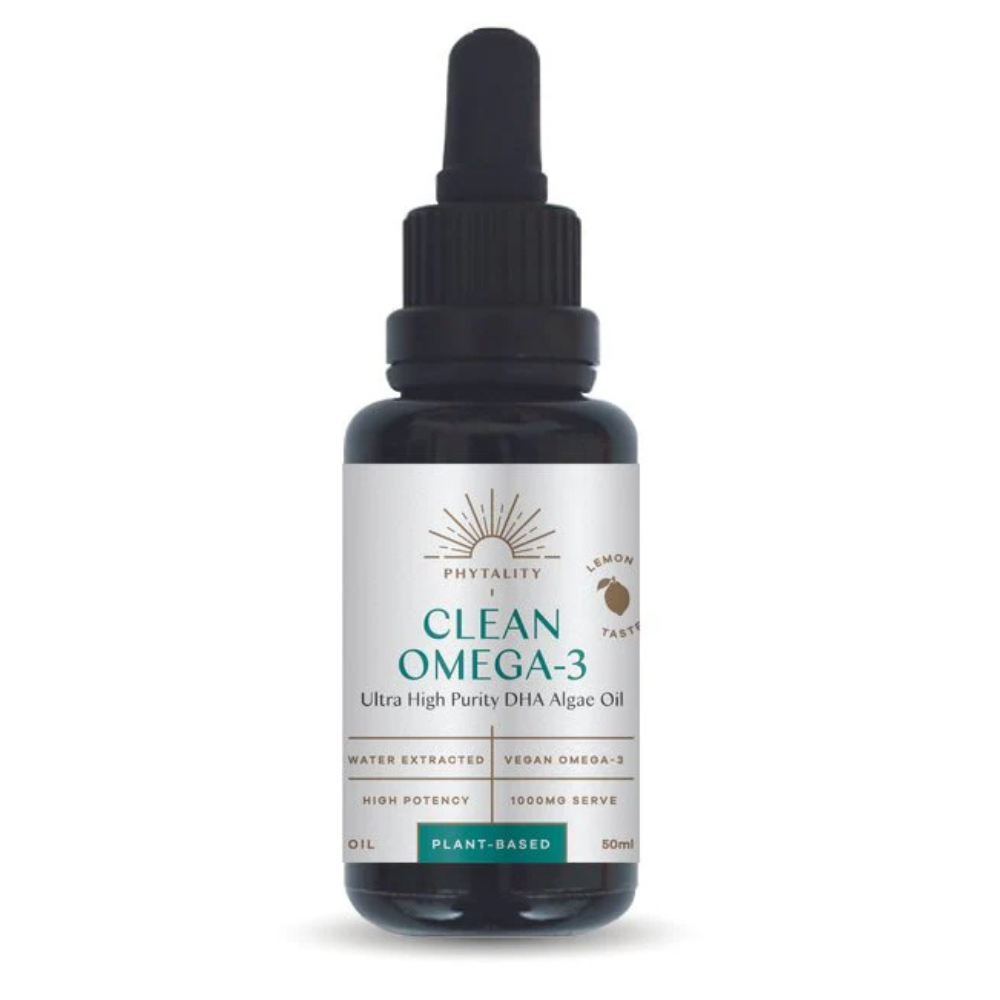

30ml | Liquid | United States of America


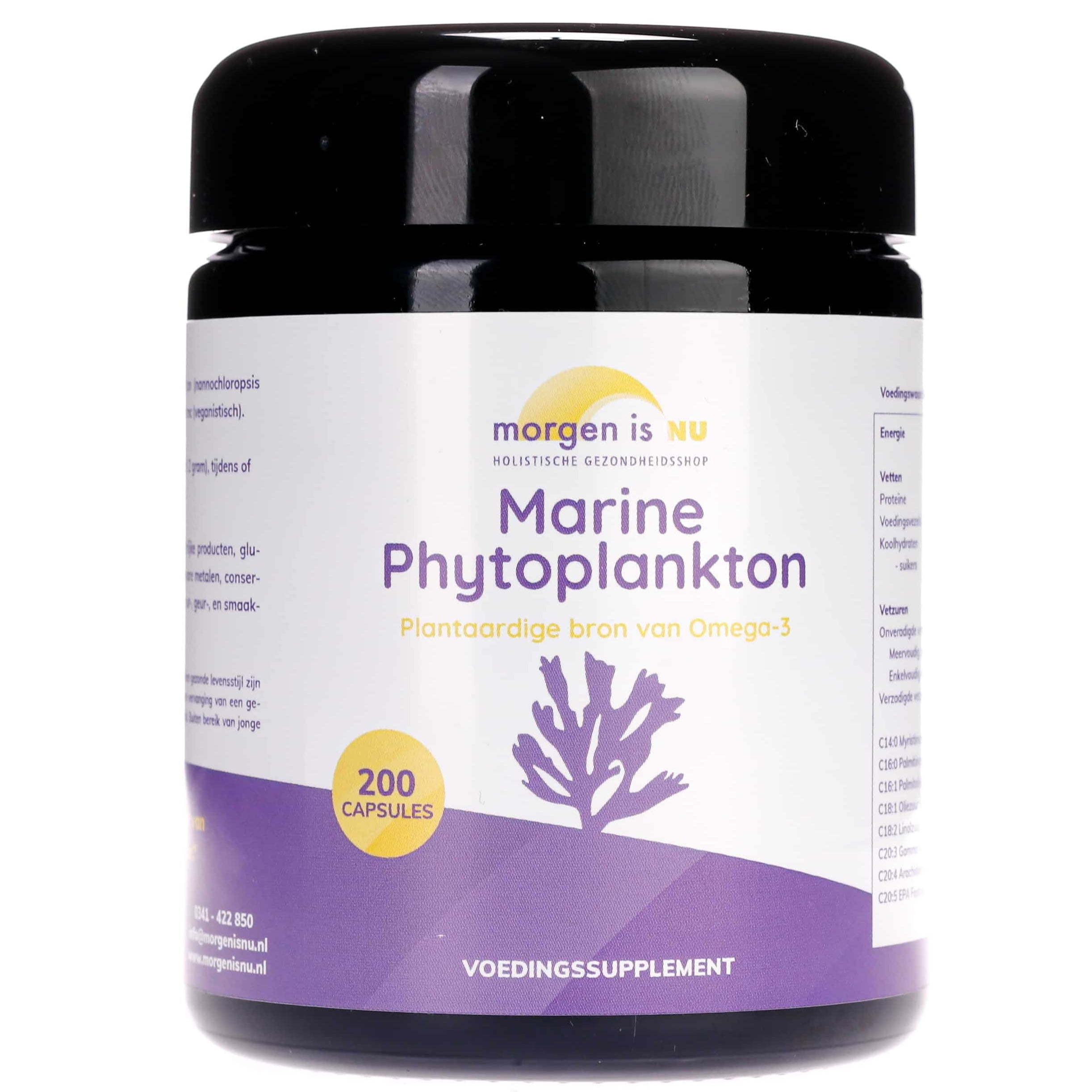
100 grams, 200 capsules | Powder, Capsules | Iodine, Iron, Manganese | Netherlands

250ml | Liquid | United Kingdom
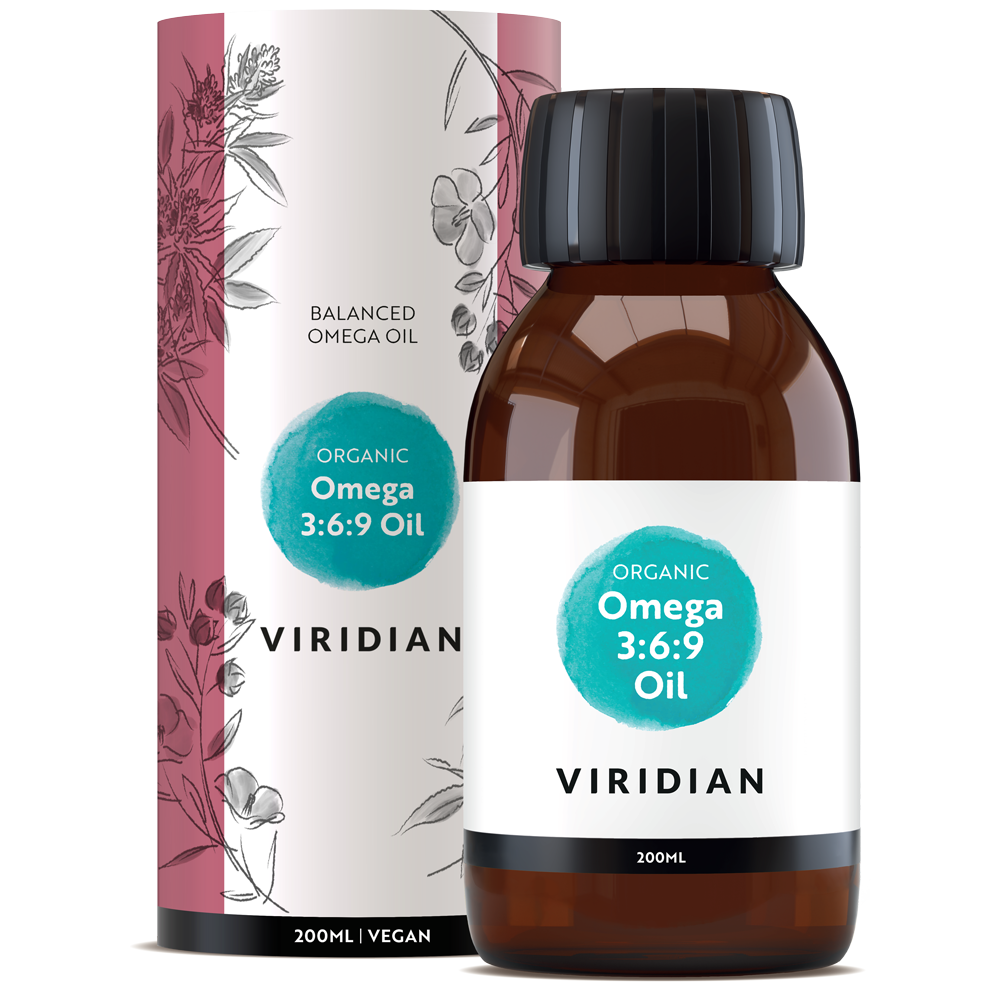
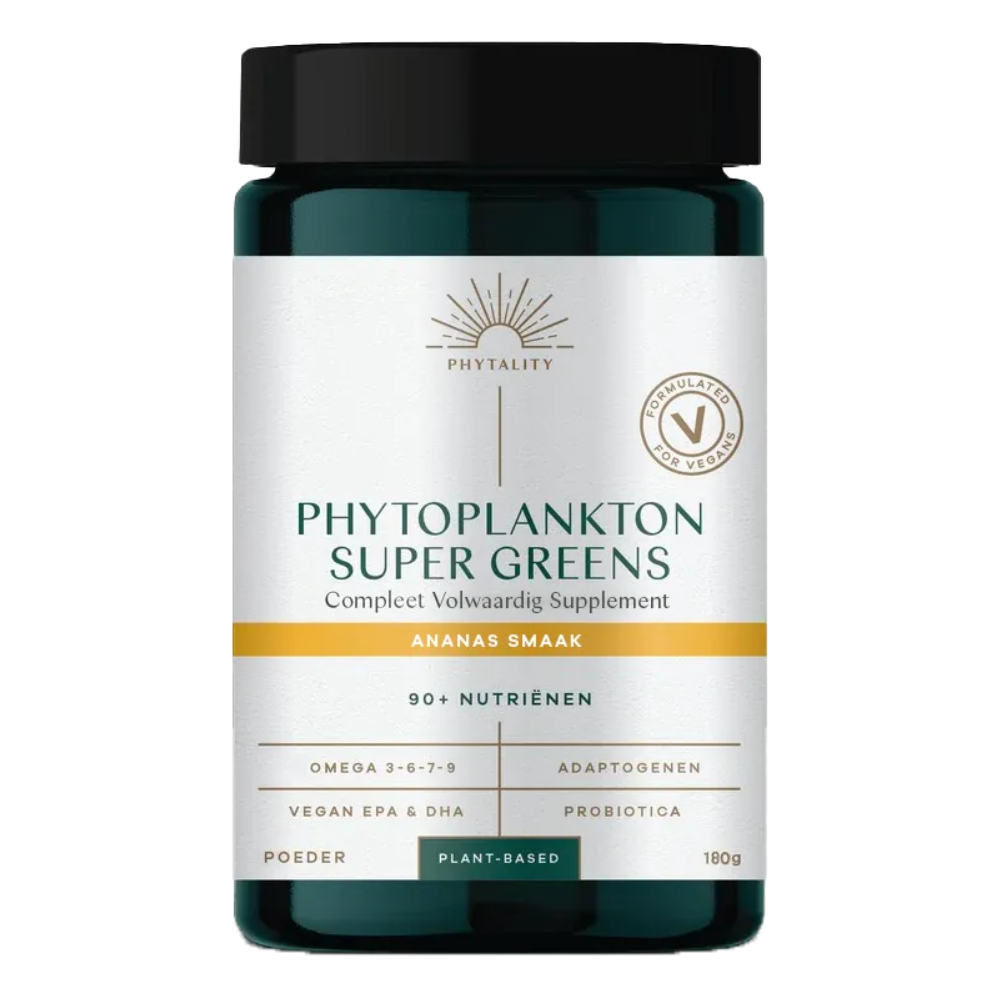
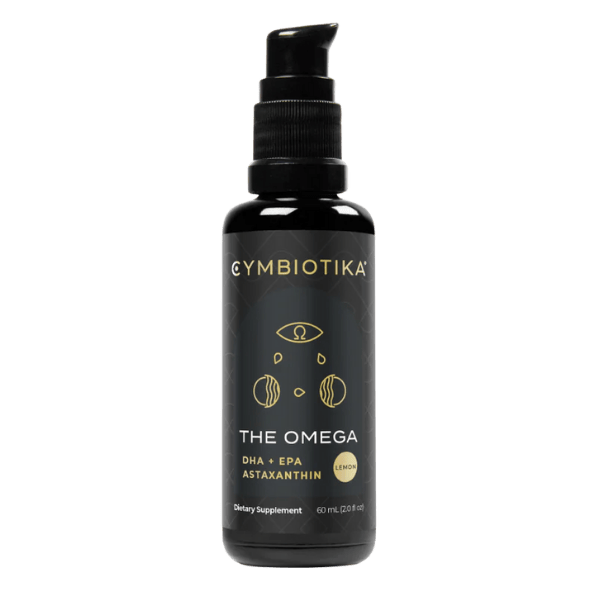
60ml | Liquid | EPA and DHA, Astaxanthin | United States of America

200ml | Liquid | EPA and DHA | DHA, EPA | United Kingdom
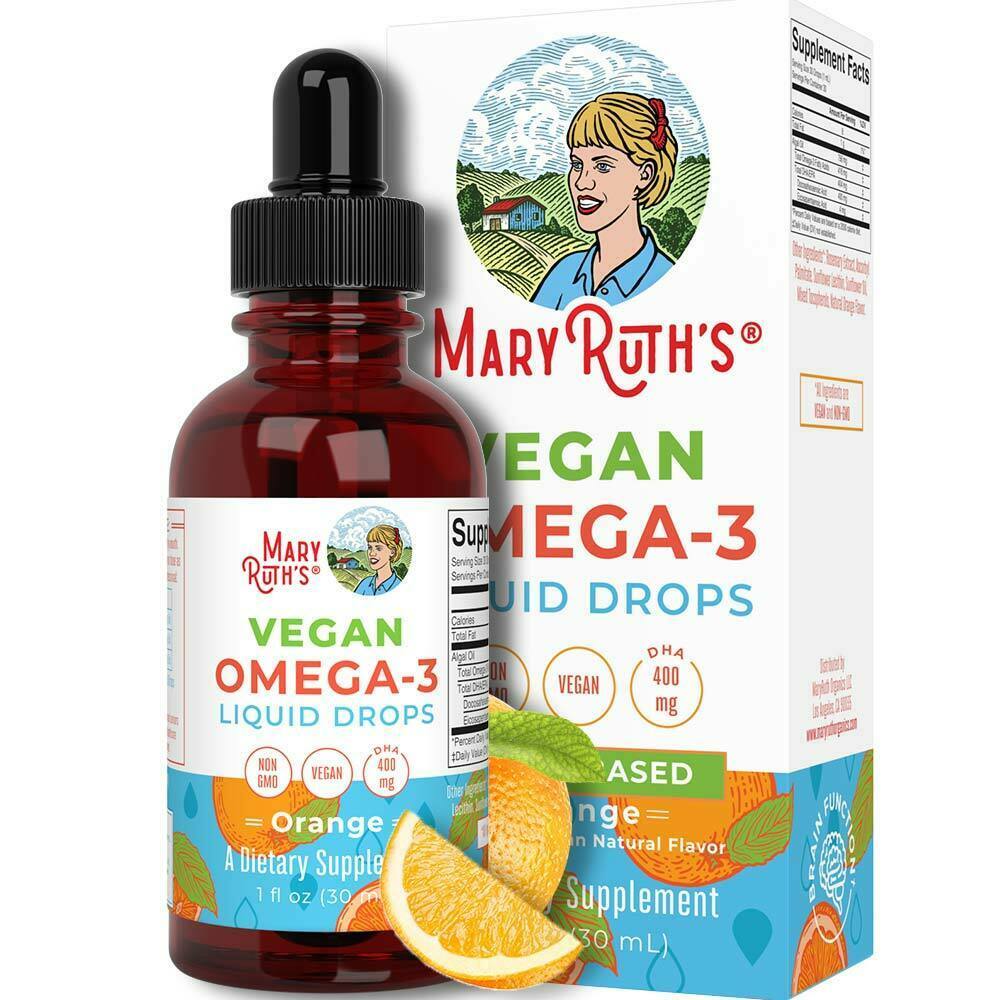
30ml | Liquid | EPA and DHA | United States of America
Our mission is to help people choose their health products with the right information
Omega 3 fatty acids are important building blocks in the body. They are found in cell membranes, among other places, and form part of our daily diet. DHA specifically contributes to the maintenance of normal vision and normal brain function. Together, EPA and DHA support normal heart function with a daily intake of 250 mg.
An omega 3 deficiency can manifest itself in various ways. Commonly reported symptoms of omega 3 deficiency include dry skin, fatigue, difficulty concentrating, mood swings and dry eyes. However, these symptoms are not exclusive to a deficiency. If you recognise these symptoms, it may be worth reviewing your diet. If in doubt, always consult a qualified professional.
Omega 3 is needed to provide the body with essential fatty acids. EPA and DHA in particular perform functions in the body that other fatty acids cannot readily take over. This makes it important to get omega 3 every day through food or supplements.
There are approved recommendations for daily use: an intake of 250 mg of EPA and DHA per day is sufficient for the authorised health claims. Many people therefore choose an omega 3 supplement or omega 3 capsule to supplement their diet. Always choose a pure product from a reliable source, preferably a plant-based option such as omega 3 algal oil.
Side effects of omega 3 are rare with normal use. At very high doses, mild symptoms such as an unpleasant aftertaste, mild stomach discomfort or loose stools may occur. At extremely high doses, there is a theoretical risk of prolonged blood clotting time, but this only applies to large amounts (>3 grams per day) and to people who already take anticoagulant medication. If in doubt, always consult a doctor.
No maximum duration has been established for taking omega 3 supplements, provided they are used at the recommended dosage. Long-term use of a high-quality source, such as plant-based omega 3 from algae, is considered safe. Choose products without unnecessary additives, and check the amount of EPA and DHA per dose.
Foods containing omega 3 include plant and marine sources. ALA (alpha-linolenic acid) is found in flaxseed, chia seeds, walnuts and rapeseed oil. EPA and DHA are found mainly in oily fish and algae oil. For those following a plant-based diet, algae oil is a direct and sustainable source of these fatty acids.
A safe and effective daily amount is 250 mg of EPA and DHA combined. This is also the level at which the European food safety authority has approved the health claims. Depending on your lifestyle and diet, you may choose to take an omega 3 supplement. Check the amount per capsule or drop, and whether it contains EPA, DHA or ALA.
It’s best to take omega 3 capsules or liquid omega 3 oil during or straight after a meal. The fatty acids are absorbed better when taken with fat from food. Choose a time that works for you each day, as this makes it easier to keep up the habit.
The best omega 3 is pure, easily absorbed and sustainably produced. For those following a plant-based lifestyle, algae-derived omega 3 is the best choice. It provides EPA and DHA directly, without involving fish. Look at factors such as origin, purity, EPA/DHA content and whether the product is free from unnecessary additives. This helps you choose a supplement that suits your needs and values.