

Before we begin
Strict rules govern what can and cannot be said about food supplements. We are bound by this European legislation, so we choose our words carefully. Medical claims, for example, are not permitted and health claims about botanical ingredients must carry a disclaimer. We also do not always list all scientific sources, because we are responsible for the exact wording we refer readers to.
Read more here about our approach to health claims and regulations.
Buffered vitamin C is quickly gaining popularity among people who want the benefits of vitamin C without the acidity of standard ascorbic acid. This gentle, non-acidic form, also known as deacidified or buffered vitamin C, is gentler on the body. This makes it a good choice for anyone sensitive to high acidity. In this blog, you can read all about this gentle form of vitamin C and discover the benefits it can offer your health.
Contents
- Ascorbic acid: the basic form of vitamin C
- How is buffered vitamin C made?
- Mineral ascorbates: what to look out for
- What are the benefits of buffered vitamin C?
- Who is buffered vitamin C suitable for?
- Buffered vitamin C: a gentle but effective choice
Ascorbic acid: the basic form of vitamin C
The best-known form of vitamin C is ascorbic acid. This is the basic form found naturally in fruit and vegetables and is well absorbed by the body. It is also simple and inexpensive to produce, which is why it is often used in vitamin C supplements.
However, this form has a drawback: it is very acidic. With a low pH of around 2.3, ascorbic acid can sometimes cause problems, such as irritation of the stomach and intestinal lining and strain on the teeth. This is particularly inconvenient if you need a higher dose of vitamin C, for example for extra support for your immune system. In these situations, a non-acidic form can be a good solution.
How is buffered vitamin C made?
Fortunately, there is a way to make ascorbic acid less acidic. This involves binding it to minerals such as calcium and magnesium. This binding neutralises the acidity, creating a gentler, non-acidic form of vitamin C. This process is called buffering, hence the name buffered vitamin C.
Mineral ascorbates: what to look out for
Non-acidic forms of vitamin C produced by binding it to minerals such as calcium, magnesium, potassium or sodium are also known as mineral ascorbates. For people who experience stomach or bowel discomfort with ordinary ascorbic acid, this form is often much more comfortable to take. Do keep an eye on how much of the mineral you are getting; high doses can contain extra calcium or magnesium. These non-acidic forms are an excellent alternative for anyone who finds the acidity of standard vitamin C supplements troublesome.
What are the benefits of buffered vitamin C?
Buffered vitamin C offers several benefits compared with the regular form. The main benefits are:
- Gentler on the body: ideal for people with a sensitive stomach or bowels.
- Higher bioavailability: the body can absorb this form more easily.
- The same health benefits as ordinary vitamin C: no compromise on effectiveness.
- Suitable for increased vitamin C needs: without the drawbacks of acidity.
Would you like to know about all the health benefits of vitamin C? Read our blog about why vitamin C is so important.
Who is buffered vitamin C suitable for?
As you have read, there are important differences between the basic form, ascorbic acid, and the deacidified form. Buffered vitamin C is particularly suitable if:
- you have an increased need for vitamin C;
- you are prone to stomach or bowel discomfort;
- you find it difficult to eat enough fruit and vegetables every day.
Buffered vitamin C: a gentle but effective choice
Vitamin C is a valuable addition to support your health, in both its ascorbic acid and gentler, buffered forms. For those sensitive to acidity or in need of higher doses, buffered vitamin C offers a solution that is kinder to the body. Make an informed choice that suits your needs and experience the benefits of this versatile vitamin.
Written by Stefan - last updated 07-11-2024
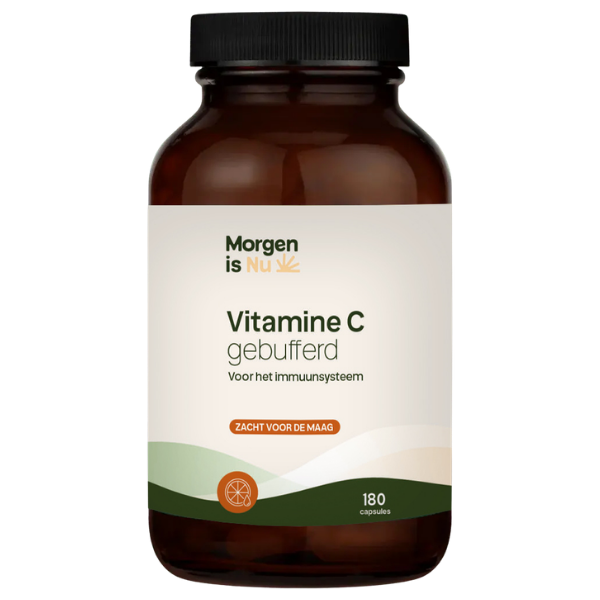
180 capsules | Capsules | Vitamin C | Natural source, Magnesium ascorbate, Calcium ascorbate | The Netherlands
Increase your vitamin C intake with our buffered capsules. They contain vitamin C as calcium and magnesium ascorbate. The non-acidic form is gentler on the stomach and teeth. Enriched with rosehip extract, grape seed extract, rutin and acerola powder for added effectiveness and absorption. With 500mg of vitamin C per daily dose, this supplement is the perfect addition to your diet.
