
Before we begin
Strict rules govern what can and cannot be said about food supplements. We are bound by this European legislation, so we choose our words carefully. Medical claims, for example, are not permitted and health claims about botanical ingredients must carry a disclaimer. We also do not always list all scientific sources, as we are responsible for the exact wording we refer readers to.
Read more here about our approach to health claims and regulations.
Rhodiola rosea is a plant that has been used in traditional medicine for centuries. From the icy plains of Siberia to the Scandinavian mountains, this plant grows in the most inhospitable places and is known for its potent compounds. You may already have read that Rhodiola is known for supporting the ability to adapt to stressful situations and for its benefits for mental resilience*.
But what makes this plant so unique, and how has its potency been discovered over the centuries? In this blog, we take a closer look at Rhodiola rosea and highlight its key active compounds .
Contents
- What exactly is Rhodiola?
- Rhodiola Rosea
- From Siberian secrets to scientific discovery
- How does Rhodiola Rosea work?
- Salidroside in Rhodiola Rosea
- Rosavins in Rhodiola Rosea
- What is the best way to take Rhodiola?
- When should I not take Rhodiola?
- The timeless potency of Rhodiola
What exactly is Rhodiola?
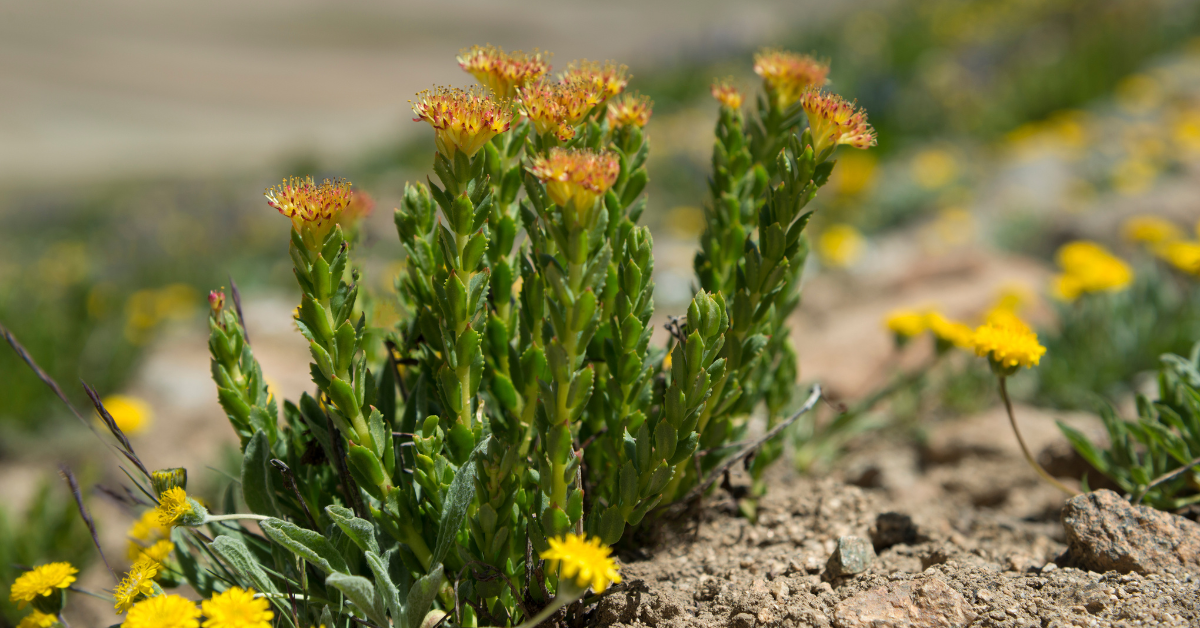
Rhodiola is a genus of plants belonging to the Crassulaceae family. It is a succulent known for its ability to withstand extreme weather conditions . This genus includes around ninety different species, mainly found in cold, mountainous regions of Europe, Asia and North America. Rhodiola plants are easy to recognise by their thick, fleshy leaves and yellow flowers.
Rhodiola Rosea
Of all the species in the Rhodiola genus, Rhodiola Rosea is the best known and most extensively researched. This species is also known as golden root or Arctic root, thanks to its yellowish root and its origins in freezing regions such as Siberia and Scandinavia. Rhodiola Rosea has been used in traditional medicine for centuries. The root was particularly valued in Russia and Scandinavia.
From Siberian secrets to scientific discovery
In 1725, Rhodiola Rosea was first mentioned in scientific Literatuur by the Swedish botanist Carl Linnaeus, who also gave this herb its name. In his book Örtabok, Linnaeus described the herb as a remedy for headaches, hysteria and hernias. Before then, the herb appears to have been used mainly by the Vikings, who took it on their voyages.
Traditional use of Rhodiola also appears to originate mainly from Siberia. In Siberia, the herb was regarded as the secret to a vigorous life. It is even said that Siberian families kept the locations of their rhodiola plants secret and traded their harvest for goods such as honey, wine and fruit.
How does Rhodiola Rosea work?
Now that you know Rhodiola Rosea has been regarded as a potent remedy for centuries, it is interesting to explore what makes this plant so special. The potency of Rhodiola rosea lies in its root, which contains the highest concentration of active compounds. Scientific research has now identified more than 140 bioactive compounds in Rhodiola. The most valuable are rosavins and salidroside, compounds that play an essential role in how the plant works.
Salidroside in Rhodiola Rosea
Salidroside is a compound that shows promising effects in laboratory research. There are indications that it plays a role in cells' natural defence system. For example, it may help increase the activity of substances naturally present in the body, such as superoxide dismutase (SOD) and glutathione-S-transferase (GST). These enzymes help remove harmful substances from the body.
Researchers are also investigating how salidroside affects certain signalling pathways, such as the NF-κB, TNF-α and PI3K/Akt pathways. These pathways play a role in inflammatory responses and cell survival. Although the initial results are promising, further research is needed to better understand exactly how it works.
Rosavins in Rhodiola Rosea
Several studies have also investigated rosavins. Findings suggest that these compounds may influence the activity of nerve cells in the hippocampus. This is an important area of the brain involved in memory and learning.
There is also scientific research suggesting that rosavins reduce the expression of certain pro-inflammatory proteins. This gives them a protective effect on the body. Exactly how they work is not yet 100% clear and needs further investigation.
What is the best way to take Rhodiola?
If you want to take Rhodiola , always consider which form suits you:
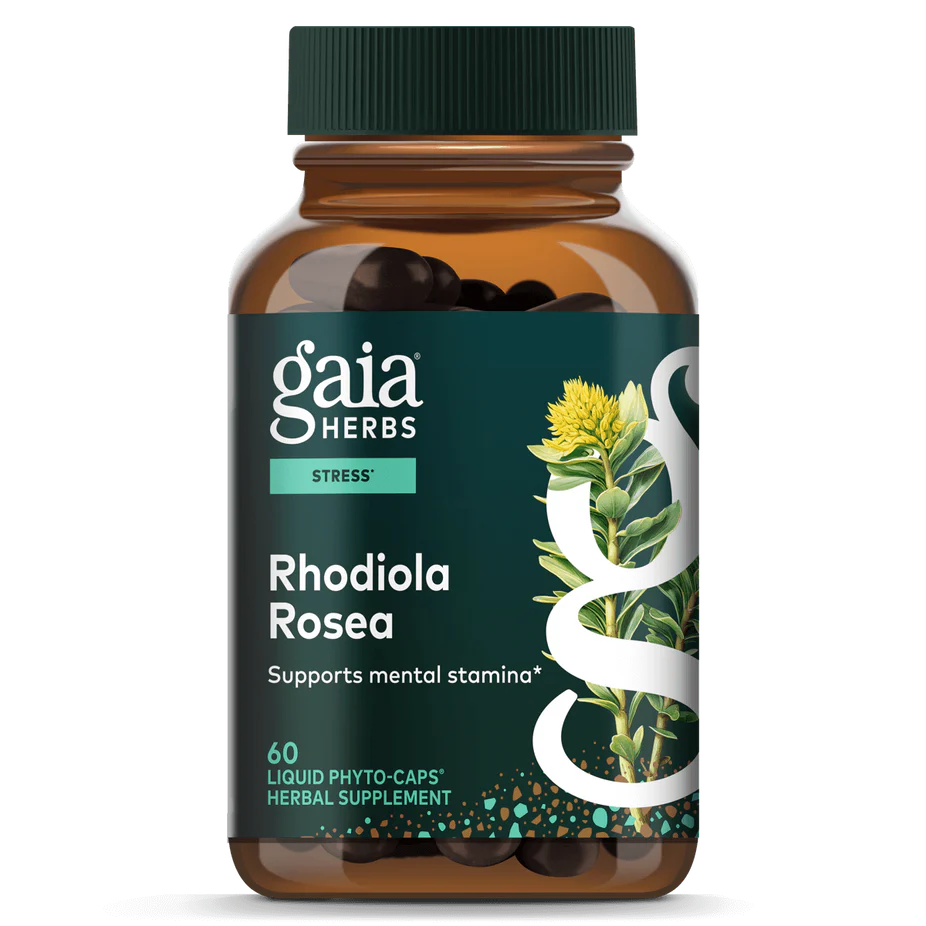
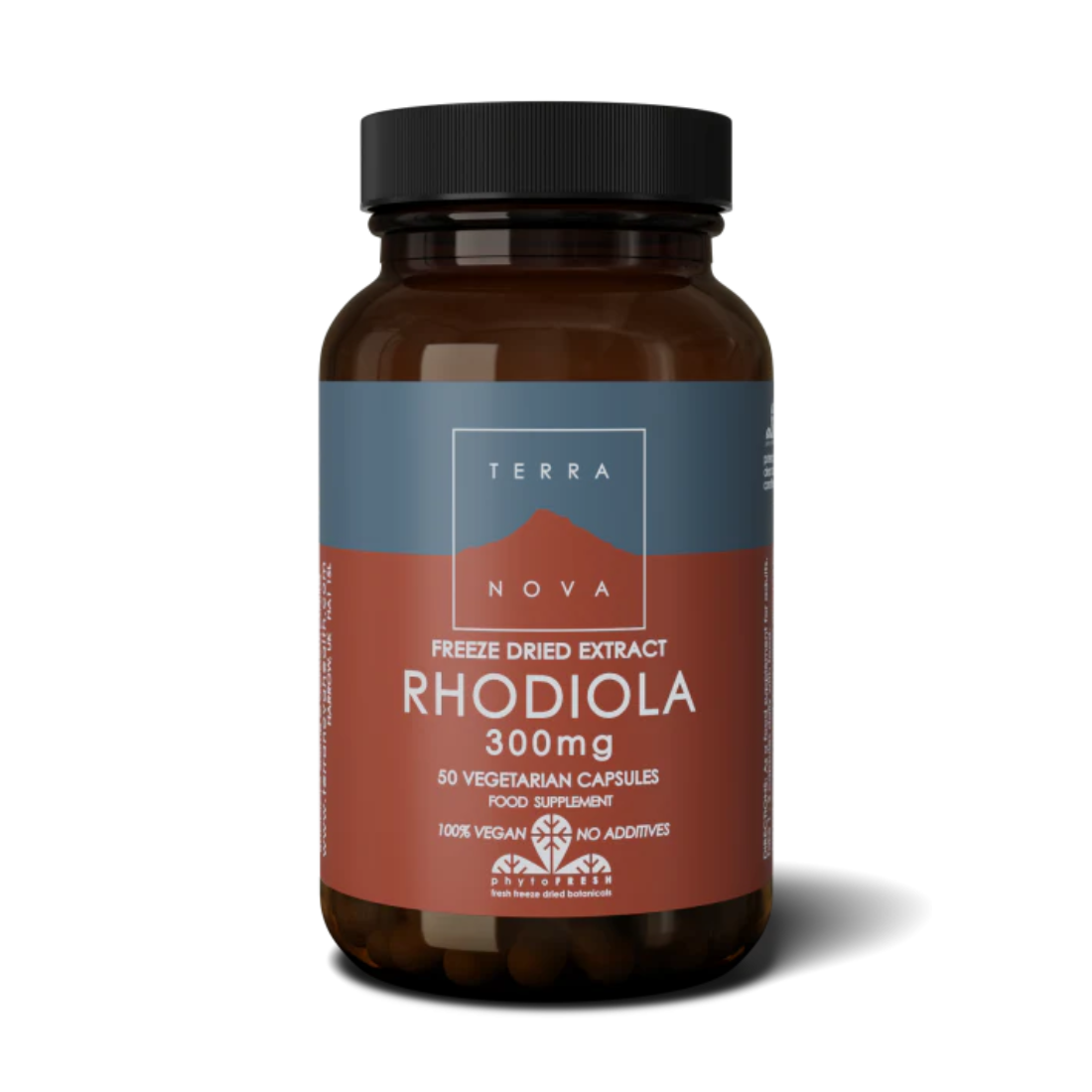
- Capsules or tablets: Convenient for daily use. Ideally, choose an extract with 3% rosavins and 1% salidroside.
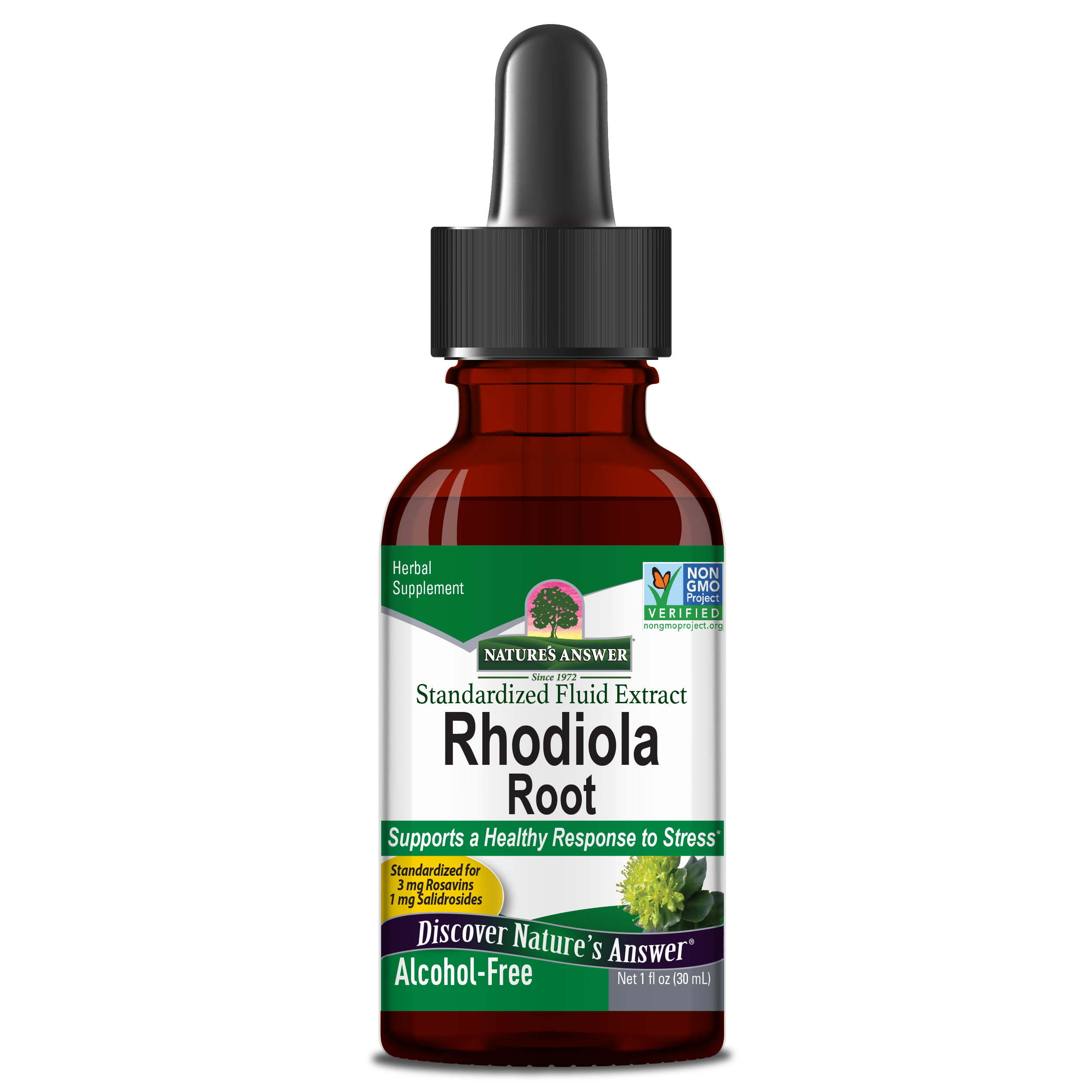
- Tincture: Quickly absorbed and easy to add to water, juice or tea.
- Rhodiola tea: Steep a teaspoon of dried root in hot water for 10–15 minutes. Lovely with a little honey.
- Powder: Easy to mix into smoothies, shakes or your morning coffee.
Because of its effects, Rhodiola is best taken in the morning or early afternoon. Always follow the recommended dosage on the packaging.
When should I not take Rhodiola?
- Do not take Rhodiola during pregnancy or while breastfeeding.
- Avoid Rhodiola if you take antidepressants
- Consult your doctor if you take other medication or have health concerns.
The timeless potency of Rhodiola
For centuries, Rhodiola Rosea was treasured as a closely guarded secret. Siberian families preferred to keep the places where it grew to themselves, while Vikings relied on it during their voyages. At Morgen is Nu, we see this remarkable plant as a wonderful example of how powerful nature can be. Nature is full of hidden treasures, and Rhodiola is a lovely example.
* Health claim awaiting European authorisation.
Written by Lisanne - last updated 07-02-2025
Discover our natural Rhodiola supplements
30ml | Liquid | Rhodiola | United States of America
60 capsules | Capsules | Rhodiola | United States of America
50 capsules | Capsules | Rhodiola | United Kingdom
