
A quick note before we begin
Strict rules govern what can and cannot be said about food supplements. We are bound by this European legislation, so we choose our words carefully. Medical claims, for example, are not permitted and health claims about botanical ingredients must carry a disclaimer. We also do not always include every scientific source, as we are responsible for the exact wording we refer to.
Read more here about our approach to health claims and regulations.
You can have a normal Hb level and still feel drained. That may sound contradictory, but it is exactly why doctors are increasingly checking ferritin too. Ferritin shows how much iron your body still has in reserve. These iron stores can start to fall while other blood test results are still normal. But what is ferritin, when is a ferritin level low, and how can you support your iron stores?
Contents
- What is ferritin?
- Ferritin, iron and Hb: what is the difference?
- What is a normal ferritin level?
- What symptoms can occur with low ferritin?
- Ferritin is also an inflammatory protein
- Why can ferritin levels fall?
- How can you support your iron stores?
- Haem iron, non-haem iron and iron absorption
- Why is iron sometimes taken every other day?
- Not all iron supplements are the same
- Why quality matters
What is ferritin?
Ferritin is a protein that stores iron. You can think of it as your body's store cupboard. Although your body contains only 3 to 4 grams of iron in total, this mineral is essential. Among other things, iron contributes to the normal formation of red blood cells and haemoglobin, supports oxygen transport in the body and helps release energy naturally. Because your body cannot make its own iron and has very little means of excreting excess iron, it uses it very sparingly.
Around 65 to 70% of all your iron is found in the haemoglobin in your red blood cells. Much of the rest is stored as a reserve, mainly in the liver, bone marrow and spleen. This reserve is stored in ferritin.
Ferritin, iron and Hb: what is the difference?
These three terms are often confused, yet each tells us something different.
Ferritin
The amount of iron your body has in reserve.
Serum iron
The amount of iron circulating in your blood when the sample is taken. This is a snapshot and can fluctuate throughout the day.
Haemoglobin (Hb)
The amount of haemoglobin in your red blood cells. Haemoglobin carries oxygen from the lungs to the rest of the body.
If, over a longer period, you take in less iron or lose more iron than your body can replace, your body draws on its reserves first. This means ferritin usually falls before haemoglobin does. Only when iron stores fall further can haemoglobin production eventually be affected too.
What is a normal ferritin level?
Reference ranges vary between laboratories, but a range of around 15 to 150 µg/L is often used for adult women. For men, it is usually between 30 and 400 µg/L.
It is important to know that these reference ranges show the levels found in most of the healthy population. They are not intended to represent your personal optimum level. So your result may fall within the reference range even if you are experiencing symptoms.
That is why doctors or practitioners often look at the bigger picture. Alongside ferritin, other blood test results play a role, such as haemoglobin, transferrin saturation and sometimes inflammatory markers such as CRP. Factors such as age, menstruation, pregnancy, diet and any underlying conditions are also taken into account.
What symptoms can occur with low ferritin?
Low ferritin does not always cause symptoms. Nor is a low ferritin level necessarily the cause of any symptoms you experience. Even so, reduced iron stores are often seen in people who feel tired or have less energy.
Symptoms often reported alongside low iron stores include:
- tiredness or low energy levels
- reduced stamina or getting out of breath more easily
- difficulty concentrating
- headaches or dizziness
- restless legs
- pale skin
These symptoms are not specific to low ferritin and can have other causes too. That is why blood test results should always be assessed in the context of your individual circumstances.
Ferritin is also an inflammatory protein
As well as storing iron, ferritin is what is known as an acute-phase protein. This means its level can rise temporarily when there is inflammation or an infection. As a result, iron stores can sometimes appear higher than they really are. For this reason, doctors often assess ferritin alongside other blood test results, such as CRP and transferrin saturation.
Why can ferritin levels fall?
Low ferritin does not develop for the same reason in everyone. Broadly speaking, there are four possible causes.
You are not getting enough iron
The most obvious cause is a low dietary intake. People who eat few or no animal products in particular get mainly non-haem iron. This form is absorbed less efficiently than the haem iron found in meat and fish.
You are losing more iron
You lose a small amount of iron every day. In women, menstruation is the most common cause of additional iron loss. Pregnancy, blood donation or chronic blood loss can also cause iron stores to fall more quickly.
You need more iron
Sometimes your intake is adequate, but your needs are simply greater. This can happen, for example, during growth, pregnancy or intensive exercise.
You are absorbing iron less effectively
The problem is not always the amount of iron you eat. Absorption also plays an important role. Stomach or bowel conditions, reduced stomach acid production or the use of certain medicines, such as acid-suppressing medicines, can mean that less iron is absorbed from the gut.
In other words, two people with the same ferritin level may have completely different underlying causes. So it is important to know that your ferritin is low, but above all to understand why.
How can you support your iron stores?
When your ferritin is low, the first question is not: which supplement should I take? The most important question is really: what caused my ferritin to fall?
If the cause is heavy periods or reduced absorption in the gut, for example, this calls for a different approach than simply not getting enough iron through your diet. That is why it is important to work with a doctor or practitioner to identify the cause. If your iron intake is low, there are fortunately several ways to support your iron status.
Haem iron, non-haem iron and iron absorption
The amount of iron you get matters, but so does how well your body can absorb it. Here, we distinguish between haem iron and non-haem iron.
Haem iron is found in animal products such as meat and fish and is absorbed relatively well. Non-haem iron is mainly found in plant foods, such as pulses, wholegrain foods and green leafy vegetables. On average, the body absorbs less of this form.
Vitamin C improves iron absorption, while coffee, tea and calcium can reduce it. A simple tip is therefore to combine an iron-rich meal with foods rich in vitamin C and leave coffee or tea until later.
Curious about exactly how iron absorption works and the difference between haem and non-haem iron? Read our blog post Understanding iron: what is iron good for?.
New insights: why is iron sometimes taken every other day?
For years, the usual advice was to take an iron supplement every day. New research on this has emerged in recent years. After taking a higher dose of iron, the body temporarily produces more hepcidin. This hormone regulates how much iron is absorbed from the gut. When hepcidin levels rise, absorption of the next dose temporarily decreases.
Recent studies therefore suggest that, in some situations, taking iron every other day rather than daily may be more beneficial. This may improve absorption while reducing the risk of stomach and bowel symptoms.
However, the most suitable dose varies from person to person. Always consult your doctor or practitioner if you want to treat an iron deficiency.
Not all iron supplements are the same
When diet alone is not enough, an iron supplement may help. It is worth knowing that not every supplement contains the same form of iron.
- Ferrous sulphate is one of the most widely used forms and is also regularly prescribed for iron deficiency. Some people experience stomach and bowel symptoms when taking it, such as nausea or constipation.
- Iron bisglycinate is a form in which iron is bound to the amino acid glycine. This compound is known for being well absorbed and is generally better tolerated by people with a sensitive stomach or bowel.
- Liposomal iron is enclosed in tiny fat droplets called liposomes. This technology was developed to allow iron to be absorbed through the digestive tract in a different way and is often chosen because it is well tolerated.
- Liquid iron supplements are easy to measure out and are often preferred by people who have difficulty swallowing capsules or tablets.
The most suitable form depends on your individual circumstances, the cause of your low iron status and how well you tolerate a supplement.
Why quality matters
As well as differences in the form of iron, supplement quality can vary considerably. At Morgen is Nu, we believe a supplement should contain an effective form of iron, be well absorbed and contain as few unnecessary additives as possible.
That is why we only select brands that are transparent about where their ingredients come from and choose well-researched forms of iron. This way, you can be sure you are choosing a supplement that meets your body's needs.
Products we believe in
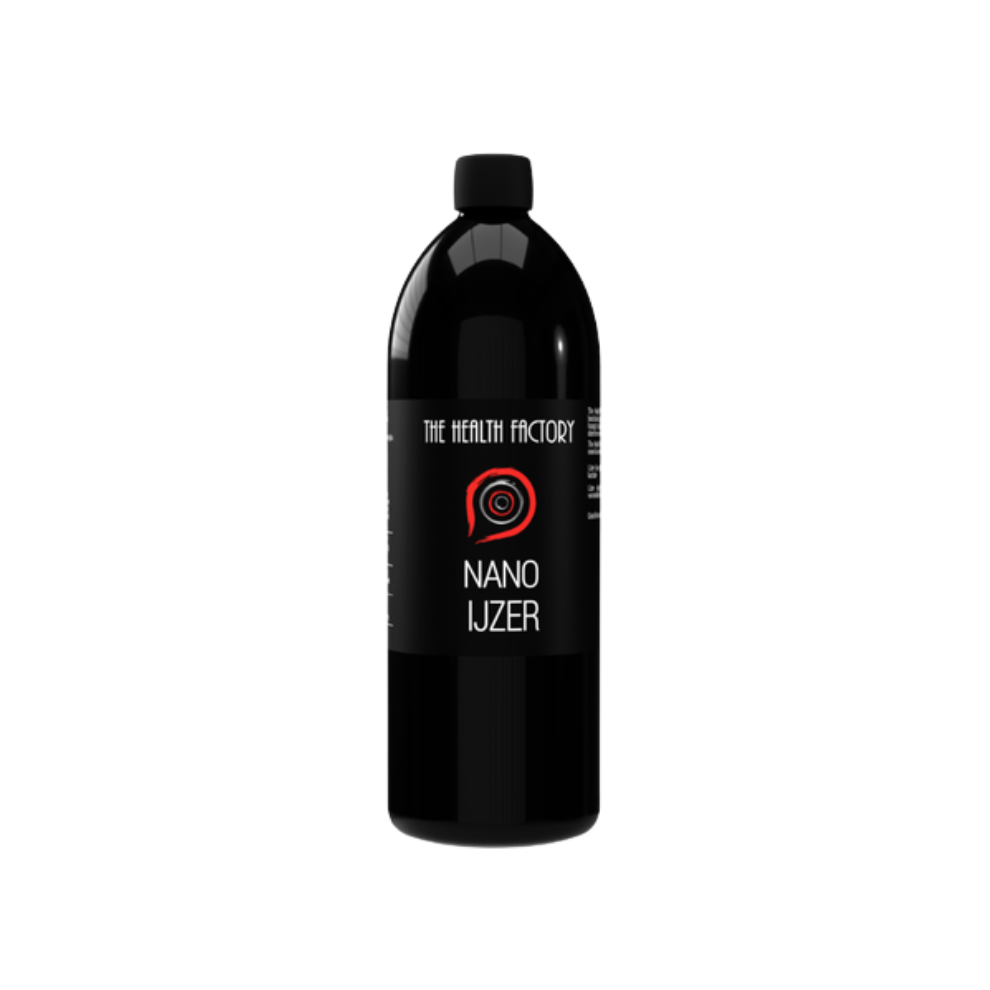
1000ml, 500ml | Liquid | Iron | Nano | The Netherlands
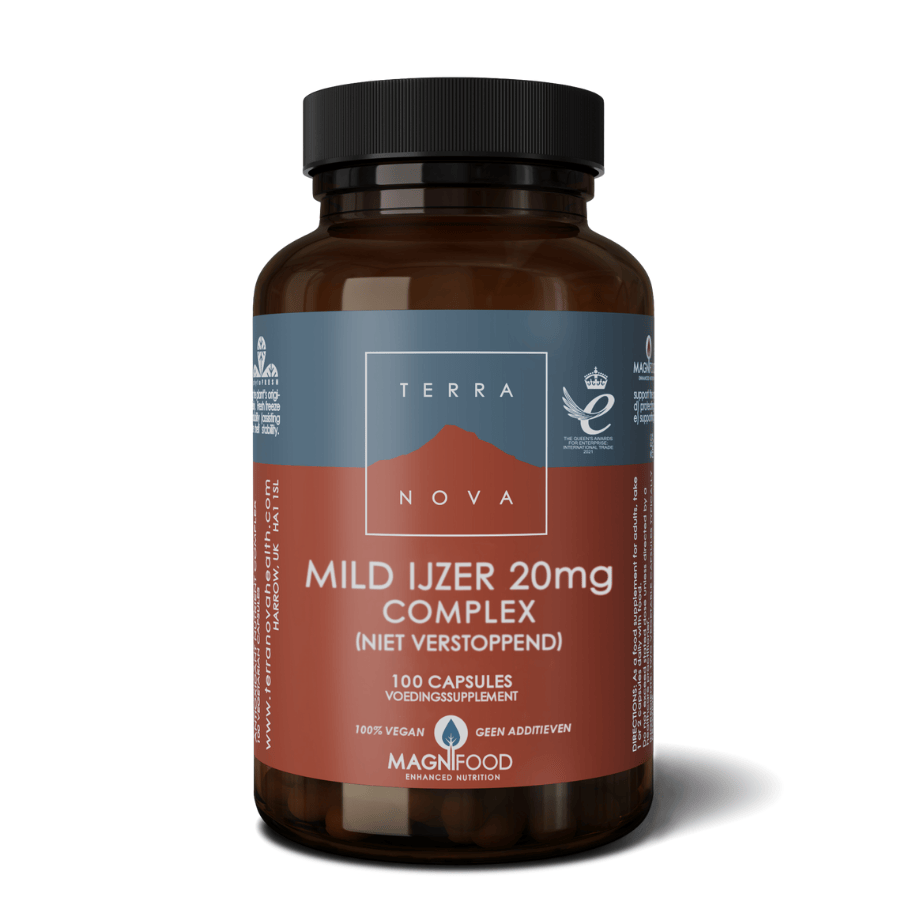
100 capsules, 50 capsules | Capsules | Iron | Natural source | United Kingdom

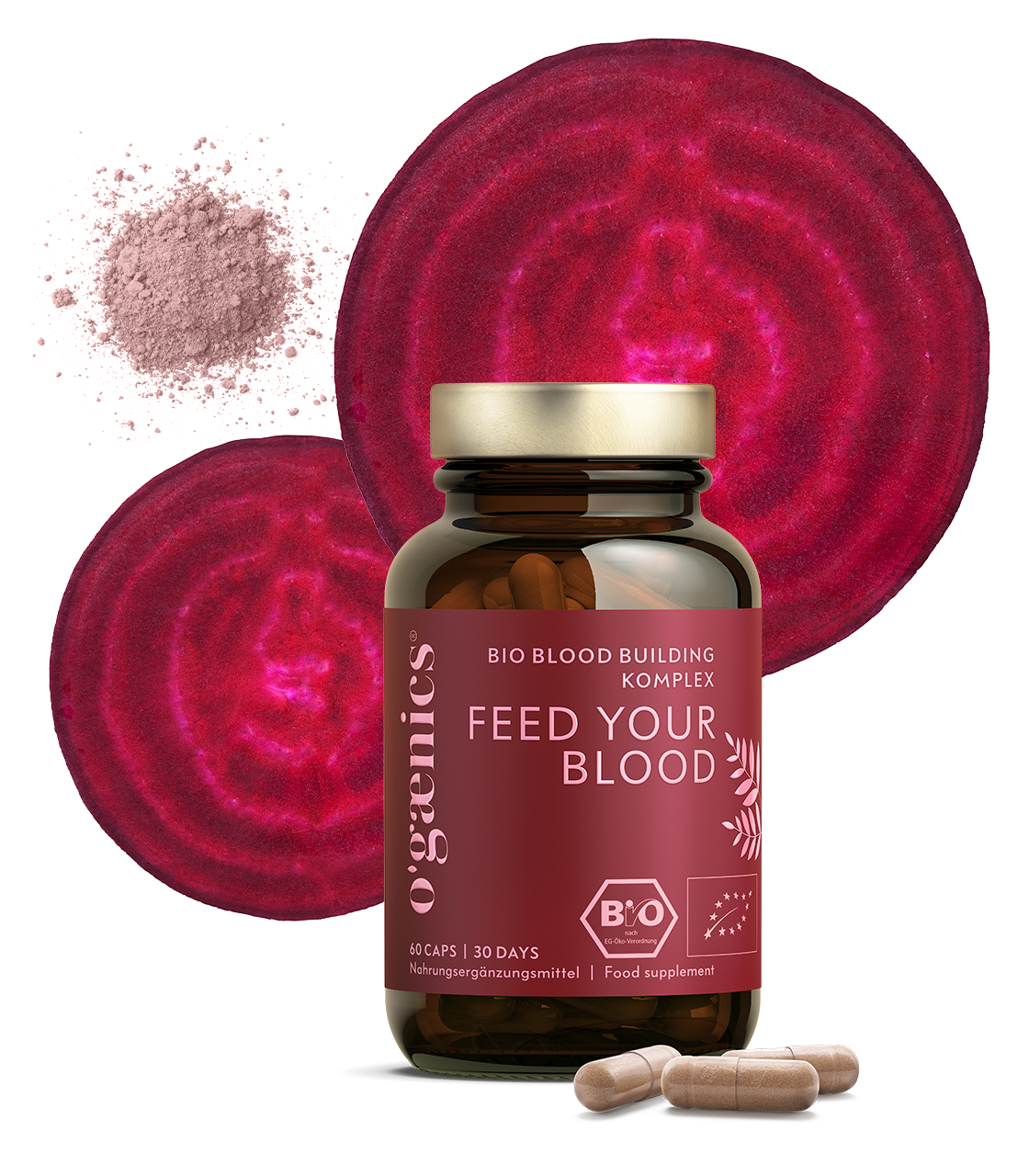
60 capsules | Capsules | Folic acid, Vitamin B12, Iron | Natural source | Germany