
Before we begin
Strict rules govern what can and cannot be said about food supplements. We are bound by this European legislation, so we choose our words carefully. Medical claims, for example, are not permitted, and health claims about botanical ingredients must carry a disclaimer. We also do not always list all scientific sources, as we are responsible for the exact wording of the material we refer to.
Read more about how we handle health claims and regulations here.
Elderberries have been praised for their remarkable properties for centuries. Our grandmothers and ancient healers alike regarded elder as one of nature’s most valuable plants. Did you know that even Hippocrates, the founder of Western medicine, praised elder for its remarkable properties?
We are big fans of elderberries, and with good reason. Let us explain what makes this berry so special.
Contents
- What are elderberries?
- What do elderberries contain?
- High concentrations of flavonoids and anthocyanins
- Anti-flu proteins
- Elderberries and the science
- Safe consumption: what should you be aware of?
What are elderberries?
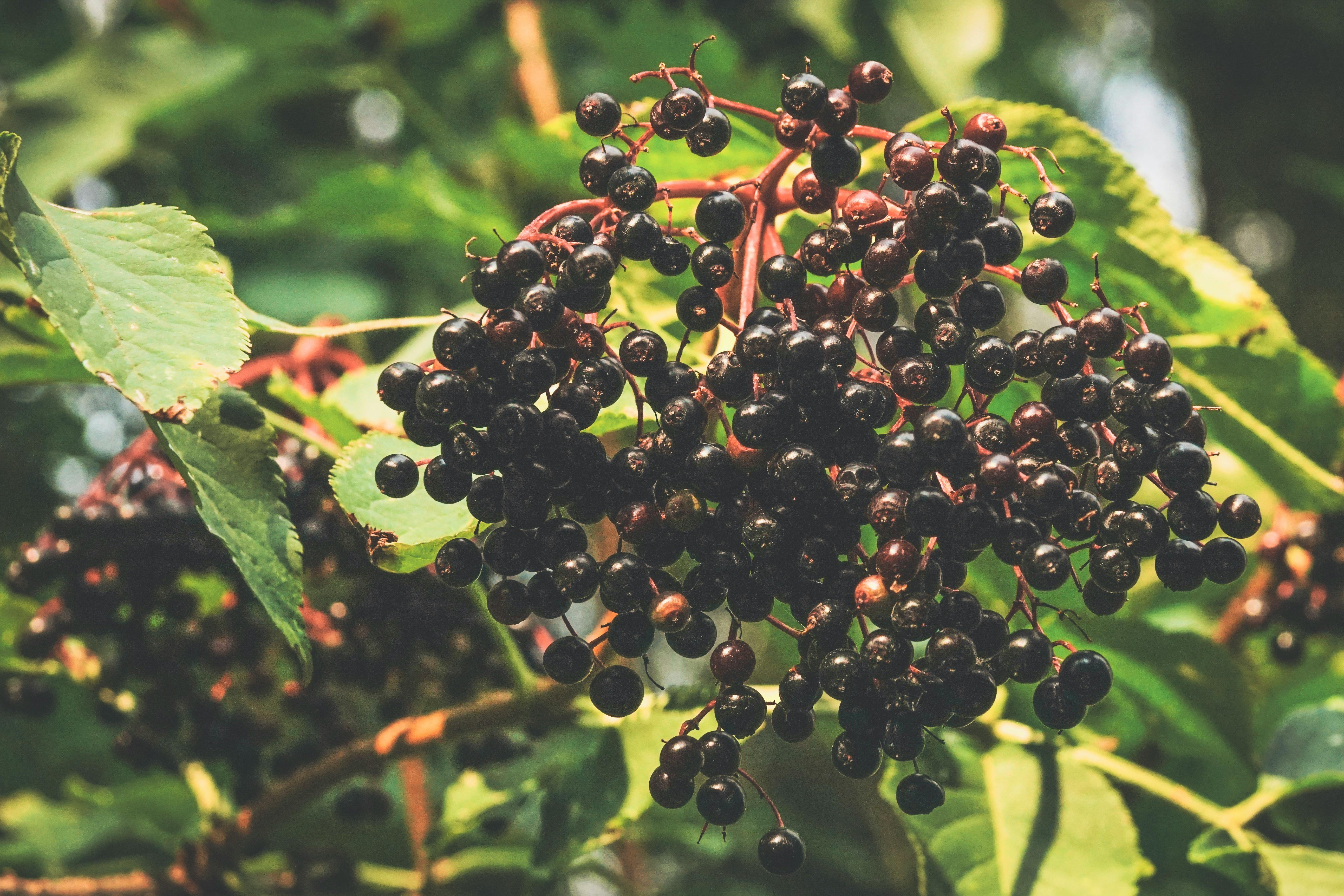
Elderberries are the fruit of the elder shrub, a plant native to Europe, North America and parts of Asia. There are several types of elder worldwide, the most important being black elder, also known as common elder. Other types include cut-leaved elder, red elder and dwarf elder. Black elder, however, is the best known and most widely used.
In the past, elderberries were mainly used in traditional products such as jam and syrup. Today, they are increasingly found in supplements, particularly because of the unique health benefits they offer.
What do elderberries contain?
Elderberries are small but powerful berries. They are packed with vitamin C: around 6 to 35 mg per 100 grams. They are also a good source of fibre, with around 7 grams per 100 grams. That is more than a quarter of the recommended daily fibre intake!
These berries also contain various minerals, such as iron, potassium and phosphorus. They also contain antioxidants, including anthocyanins and flavonoids, which we will look at more closely below. As you can see, elderberries have a surprisingly varied nutritional profile.
High concentrations of flavonoids and anthocyanins
One of the most striking features of elderberries is their abundance of powerful natural compounds. Flavonoids such as rutin, isoquercitrin and hyperoside stand out in particular for their effects. These compounds are widely studied for their role in protecting cells against damage caused by free radicals.
There is more to them, too. Elderberries are also packed with anthocyanins, such as chrysanthemin and sambucin. These compounds are increasingly being studied for their potential role in supporting the immune system.
Anti-flu proteins
In addition to the compounds mentioned above, elderberries contain unique proteins known as ‘anti-flu proteins’. These ribosome-inactivating proteins, officially named SNA-I, SNA-V and SNLRP, play an important role in counteracting viruses. They inhibit protein synthesis, a crucial process that viruses need to multiply in the body. They can also bind to the outside of viruses, making it harder for them to enter human cells and cause damage.
Elderberries and the science
There has been extensive research into the effects of elderberry specifically on the flu virus (influenza). Among other findings, this research shows that taking elderberry extracts significantly shortens the duration of flu, while symptoms are also milder and subside more quickly. In one study, symptoms improved after just two days of taking an elderberry extract, and all participants had recovered within two to three days, whereas participants in the control group needed around six days to recover.
Safe consumption: what should you be aware of?
Although elderberries can be eaten raw, it is important not to eat too many at once. Raw elderberries contain cyanogenic glycosides, such as sambunigrin, which can cause diarrhoea and nausea if consumed in excessive amounts. Heating the berries removes these substances, allowing elderberries to be used safely in extracts, for example. This makes it possible to benefit from all the positive properties of elderberries safely and effectively, particularly in the form of syrup or supplements.
Fresh elderberries, a delicious syrup, a supplement or a smooth jam: elderberries offer a natural and versatile way to support your body!
Written by Lisanne - last updated 07-10-2024
Elderberry supplements we’re happy to recommend

89ml | Liquid | Elderberry | United States of America
Black Elderberry Syrup from Gaia Herbs is a tasty syrup made from potent elderberries. This syrup is easy to take and has an immediate soothing effect on the throat. Each teaspoon contains the concentrated power of 14.5 grams of fresh elderberries, combined with acerola for extra vitamin C and maximum effectiveness.
120ml | Liquid | Elderberry | United States of America
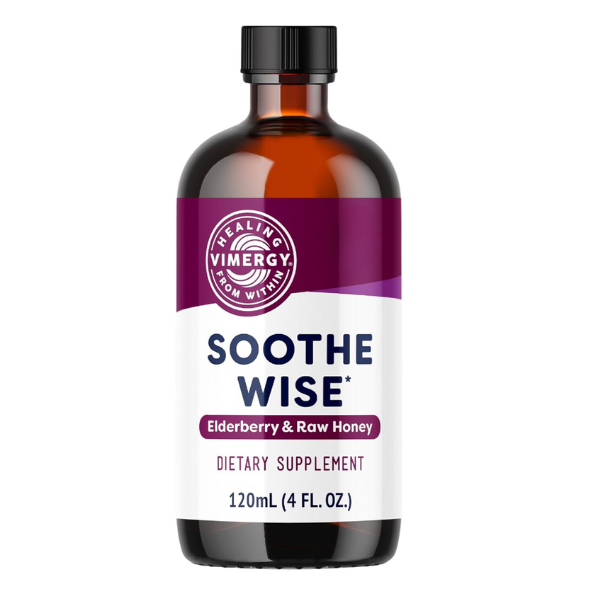
Soothe Wise from Vimergy is a unique elderberry syrup, enriched with raw honey and completely free from artificial additives. Each dose provides a potent extract from no less than 45.12 grams of fresh elderberries, perfect for a natural boost as autumn approaches. The combination of elderberries and organic raw honey makes for a delicious syrup that you can easily add to water, juice or smoothies. Made with 100% pure ingredients, without refined sugars or artificial substances.
26 sachets of 10ml | Liquid | Elderberry, Echinacea | United States of America
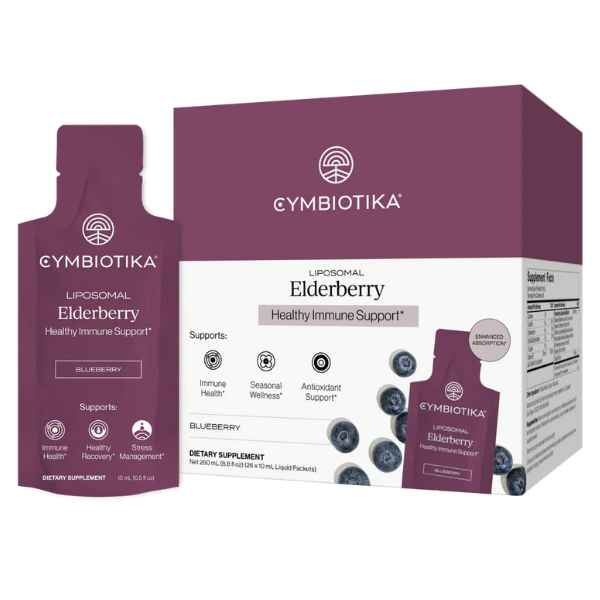
Liposomal Elderberry by Cymbiotika is a liquid elderberry supplement. The addition of blueberry juice concentrate gives it a delicious taste. This product also contains echinacea and vitamin C, both known for their positive effect on the immune system. This potent formula is dissolved in a liposomal blend that ensures maximum absorption.
