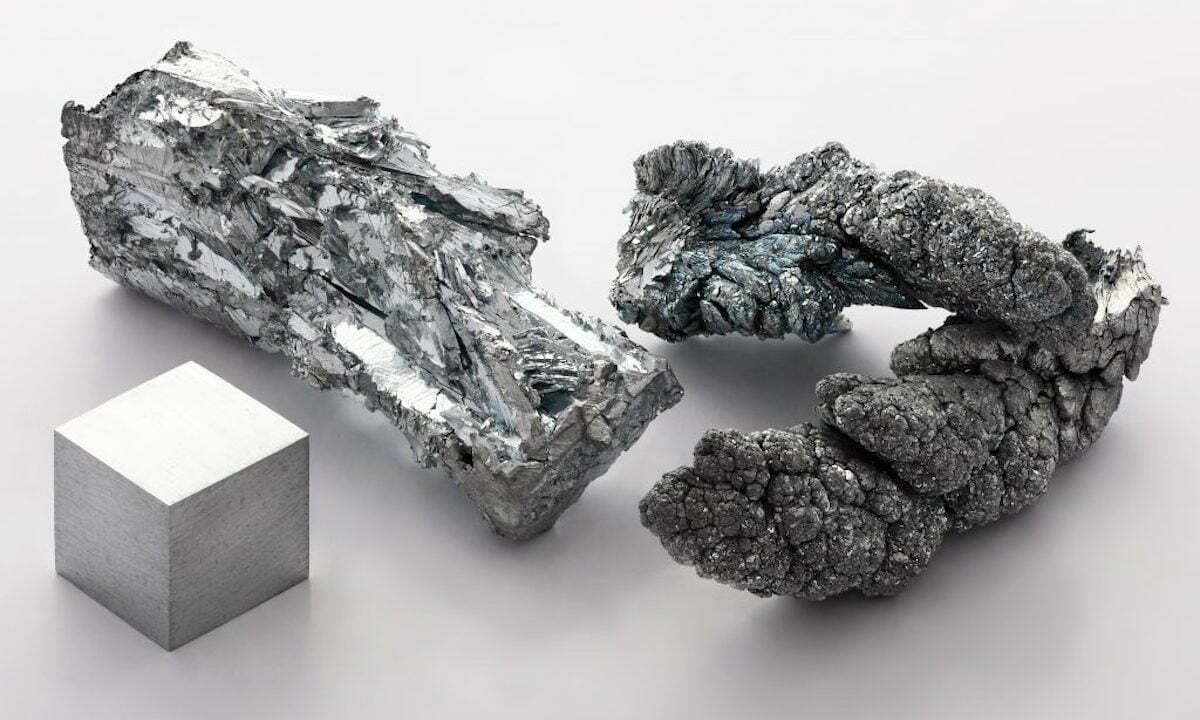
Zinc, a piece of history
In 1989, a shipwreck was discovered off the coast of Tuscany. It was a Roman ship that probably sank around 140 BC.
Archaeologists made many discoveries, but one discovery was very special. A cupboard was found in the ship in which undamaged tablets were found. After investigation, it turned out that these were tablets containing, among other things, a zinc compound. As far as we know, these are the oldest medical tablets ever analyzed [source]. This shows that 2000 years ago zinc was already known as one of the most important substances for our health, which was also described in the most famous Roman book of the scientist Pliny the Elder: Natural History.
Zinc, an essential trace element
It is remarkable to see that zinc was considered so important back then and that active research was done on zinc compounds. The Romans were not far off because zinc is now considered one of the most important substances for our body. Zinc is an essential trace element that contributes to physical and mental well-being. In our body, zinc works as a cofactor with more than 300 different enzymes, which means that the functioning of many of the body's most basic processes is stimulated by zinc.
Your body cannot store zinc, so it is important to get enough of it every day. Fortunately, there are many foods that contain zinc (in small amounts). It is found in almost all animal products, but there are also plant products that are rich in zinc, such as: pumpkin seeds, dark chocolate, sesame seeds, cashew nuts and chickpeas. In addition, zinc is also present in high concentrations in a number of popular herbs such as garlic and He Shou Wu.
If you read this, it seems that zinc is abundantly present in our diet. And that is true. If you have a good and complete diet, a zinc deficiency does not develop very quickly. Yet more and more people appear to get too little zinc on a daily basis. It is estimated that half of the entire world population is at risk of getting too little zinc through their daily diet [source]. This is partly because our food has become less nutritious due to modern agricultural techniques. In addition, our food is often produced in an unnatural way. As a result, (vegetable) products contain far fewer substances (such as zinc) than 50 or 100 years ago.
The benefits of zinc
Zinc is best known today for promoting the proper functioning of our immune system. But that is just one of the many benefits of zinc. Zinc is present in every cell of our body, which makes it an important function in many processes in the body [source].
Zinc is not only present in every cell of our body, but also fulfills an essential function there. Zinc plays a role in our continuous cell division process, contributes to DNA synthesis and ensures the protection of healthy body cells [source]. This means that it contributes to the development of our body on a daily basis.
But it doesn’t stop there. Zinc contributes to the health of our bones, hair, nails, eyes, skin and brain. But it also contributes to the right level of testosterone in our blood and to regulating our acid-base metabolism. Zinc also contributes to the metabolism of carbohydrates and fats. All this quickly makes it clear that our body cannot function properly for a day without zinc. Getting enough zinc every day is therefore essential for us. Want to be sure that you get enough zinc to benefit from all these health benefits? Then you can choose to supplement zinc regularly.
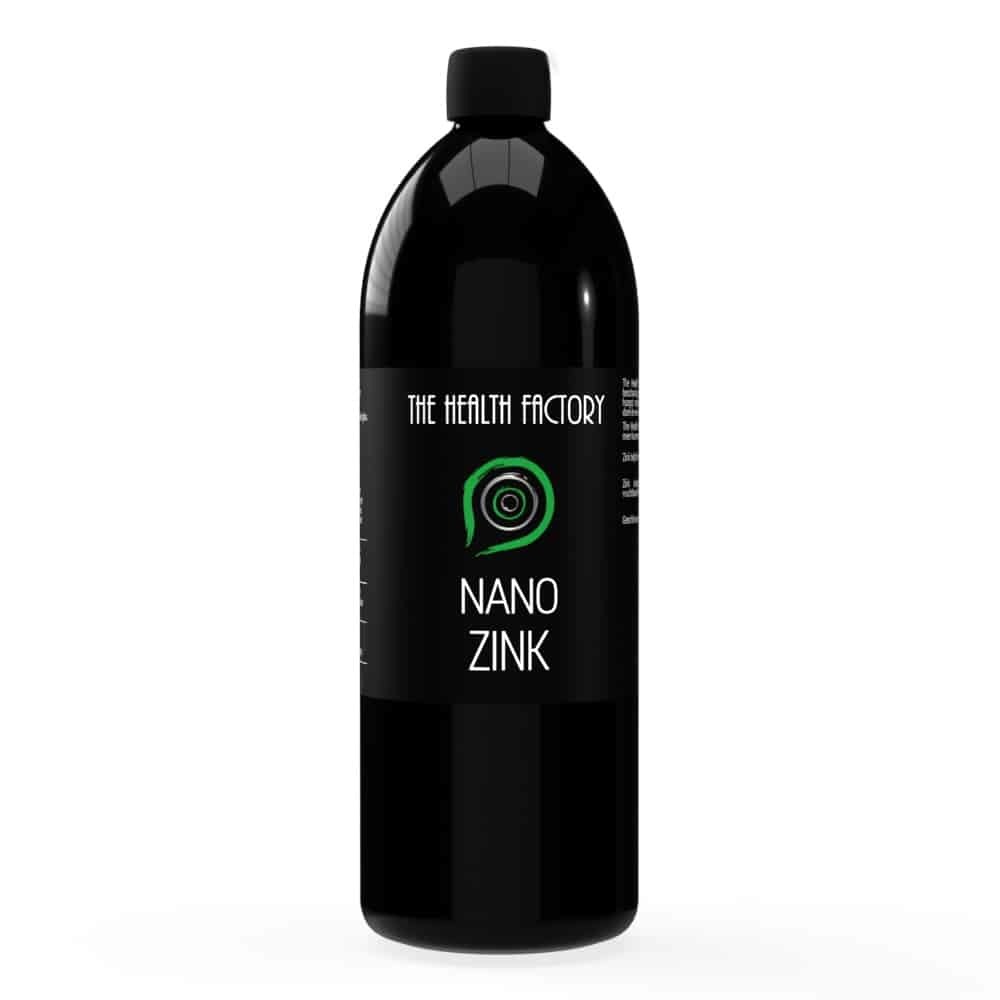
1000ml, 500ml | Liquid | Zinc | Nano | The Netherlands
Nano Zinc
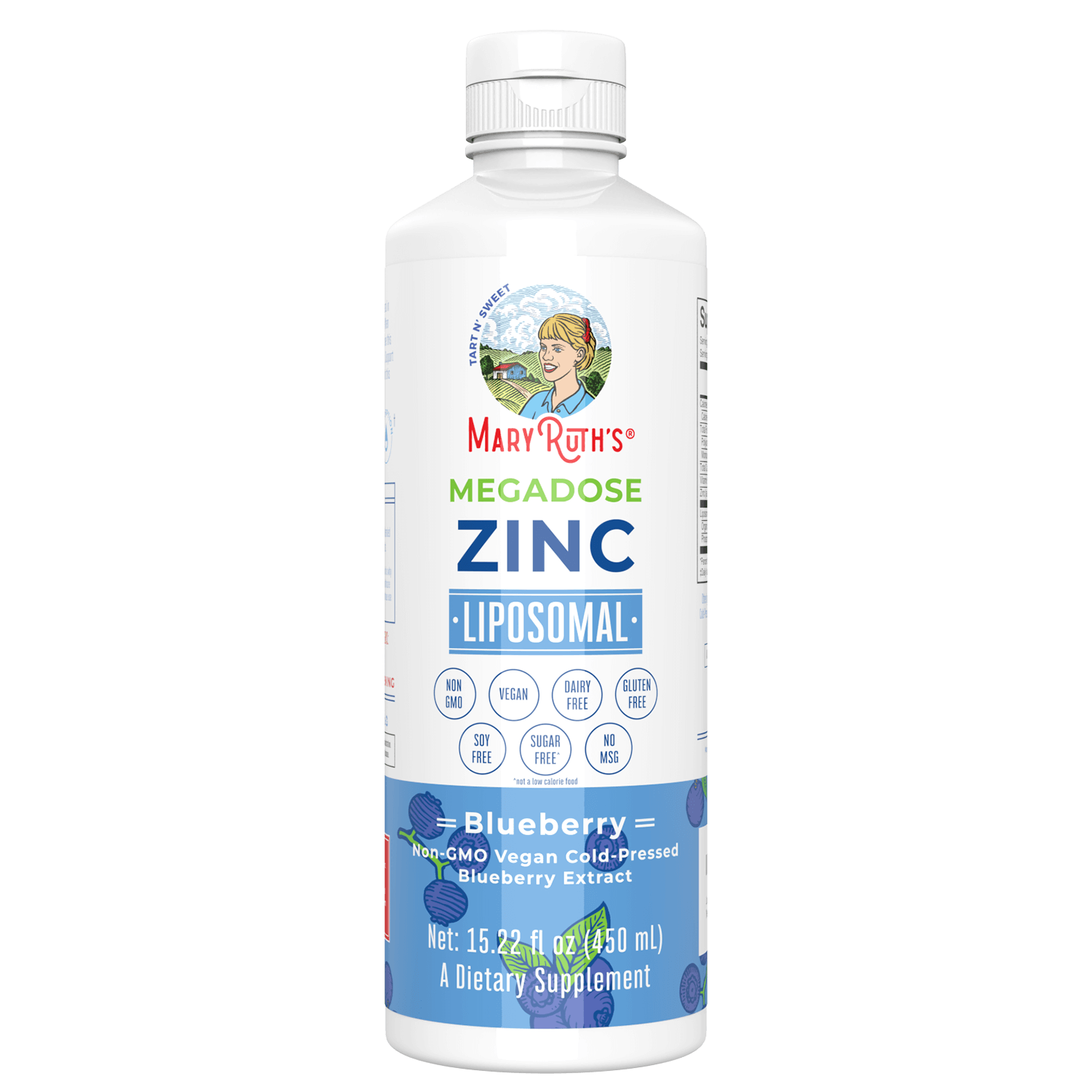
450ml | Liquid | Zinc | (Bis)glycinaat | United States of America
Megadose Liposomal Zinc
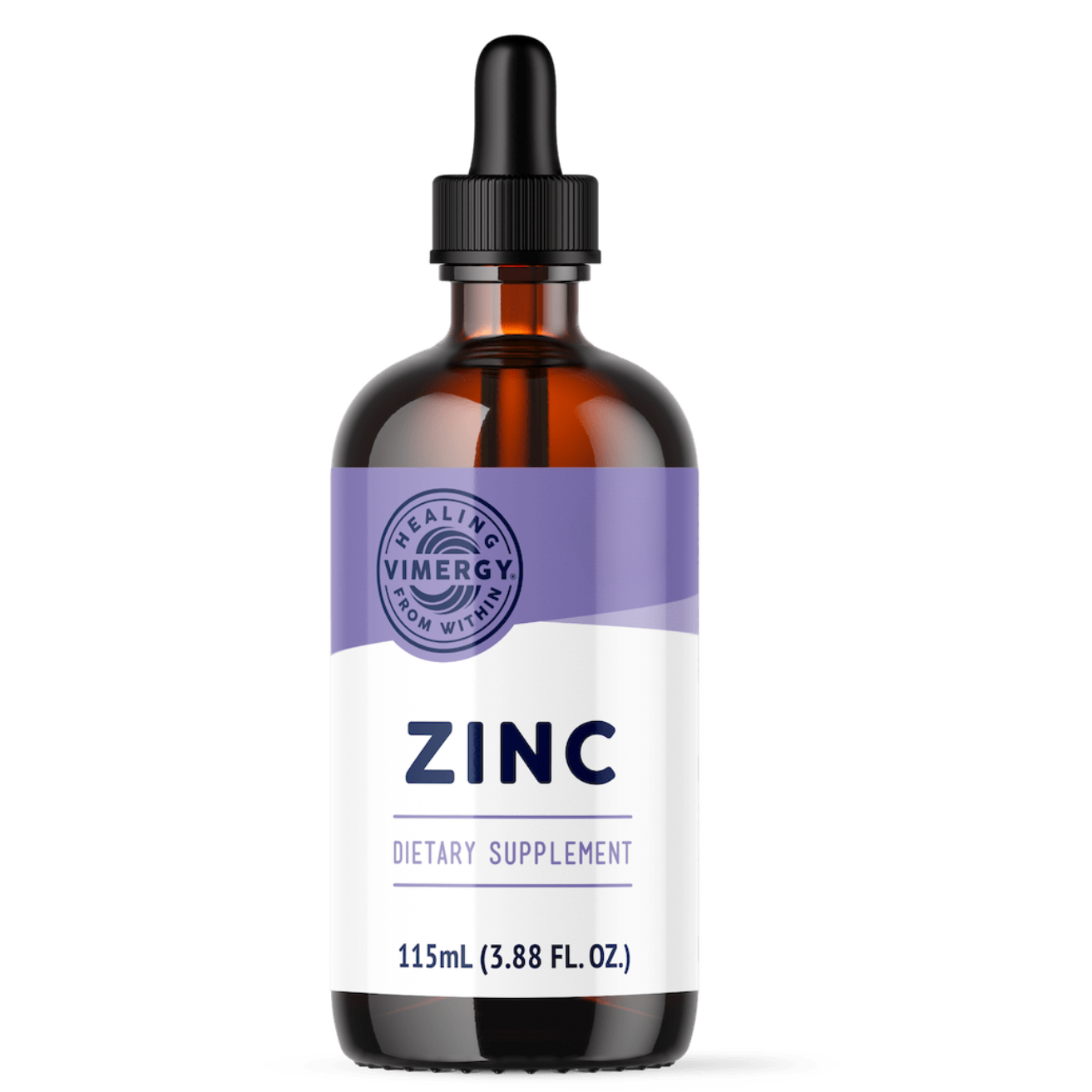
Zinc Sulfate (bio)