
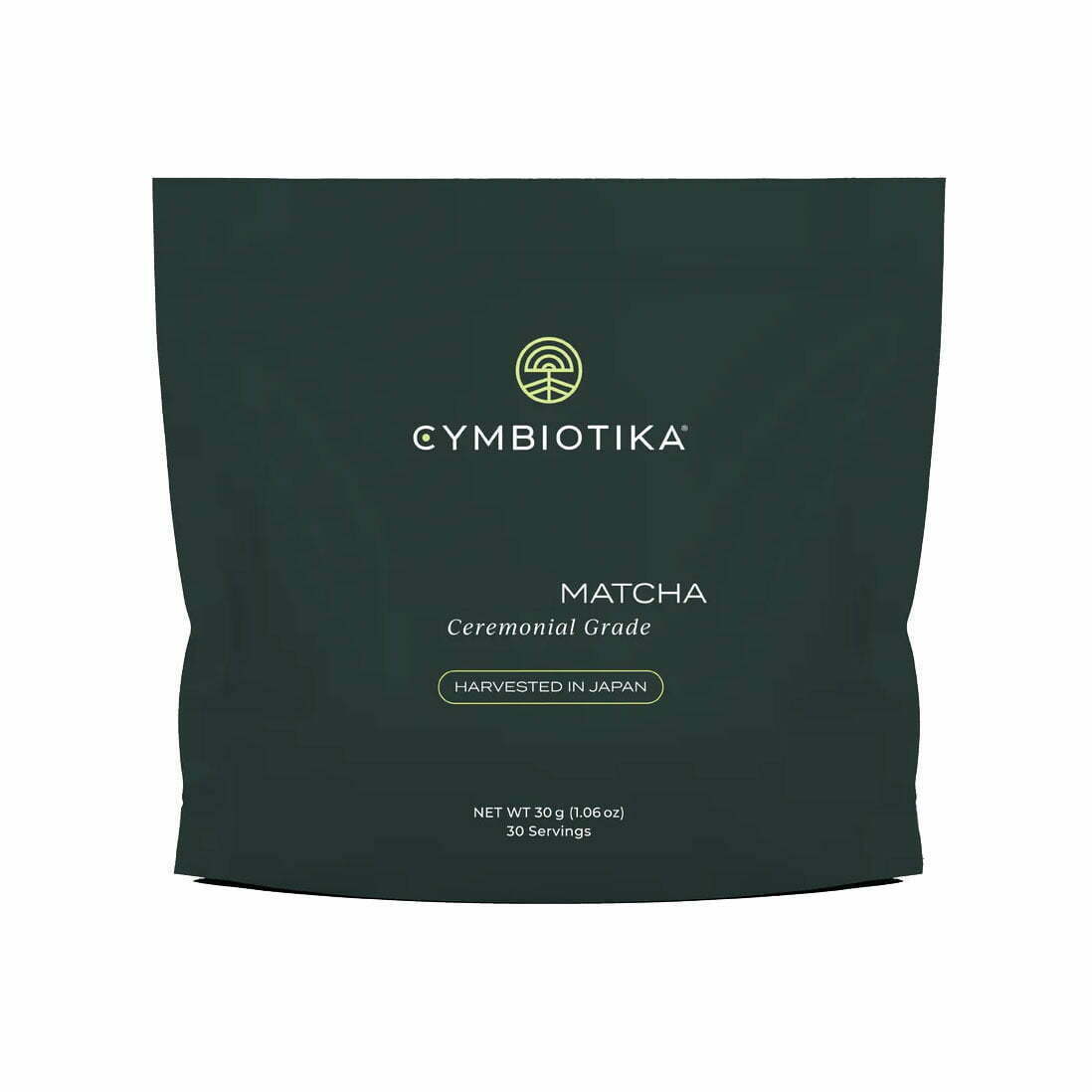
Matcha is a cherished drink from Japanese culture with a rich history of a thousand years. This Ceremonial Matcha is suitable for daily use.
Ideal for daily consumption, this Ceremonial Matcha from Cymbioticsis of very high quality. This matcha is made on small, multi-generational family farms in Uji and Kagoshima, Japan. Kagoshima is known for producing Japan's finest matcha, where the rich volcanic soils of this southern region of Japan infuse a nuanced flavor not possible in other soils. The Matcha has a soft, balanced, and delicately sweet flavor and a pleasant green aftertaste. Matcha green tea is a cherished drink of Japanese culture. Japanese nobility, Zen masters, and monks have traditionally drunk Matcha tea to aid in meditation, for example. Zen Buddhists have been drinking it since at least the 12th century. It also has a production history of a thousand years.
Matcha in Ceremonial Tea
Matcha is a finely ground green tea powder made from the whole tea leaf rather than the extracted liquid of the leaf. It is one of the richest types of tea. It contains valuable nutrients such as antioxidants, amino acids, vitamins, minerals, co-factors and fiber. The richness of this type of tea is largely due to the way it is grown. Like most plants, matcha is grown in the sun. However, the last month before harvest, it is covered and grown in deep shade to promote the development of chlorophyll and the resulting production of the unique tea amino acid L-theanine. This procedure also increases the antioxidant content of matcha, which is up to 15 times higher than that of wild blueberriesThis Matcha from Cymbiotika is 100% stone ground and patiently and diligently crafted, ensuring superior quality for an exceptional experience while consuming it.
The history of Matcha?
In the late 12th century, the great Zen master Eisai Dogen brought the popular Chinese methods of making powdered tea to Japan. He prepared tea in the form of finely ground small pieces or coarse powder boiled in water. Soon, making tea from the powdered tea leaves and whisking it with hot water in a bowl became the distinctive Japanese Zen Buddhist style of tea preparation. Drinking tea became central to Zen practice. Through experimenting with ways to maximize the therapeutic and spiritual benefits of tea, monks learned that they could make a superior tea by growing the 'Sencha' green tea plant in shade conditions. 'Sencha' evolved over time into the carefully cultivated, shade-grown 'Tencha' tea plant, the special tea leaves that form the basis of Matcha. The ability to finely grind tea into a true powder was introduced in the 14th century with the use of stone mills. Around this time, tea began to be whipped, as it still is today. And so Matcha was born.
- Green tea contributes to the normal functioning of the heart and blood vessels*
- Green tea is good for fat burning*
- Green tea is good for cholesterol levels*
- Green tea contributes to the maintenance of a normal weight*
- Green tea contributes to normal glucose metabolism*
* Health claim awaiting European approval.
Ingredients
Ceremonial grade Matcha (Japanese green tea powder).
 Gluten
Free
 Soy
Soyfree
 Vegan
Vegan
 GMO
GMOFree
 Alcohol-free
 Sugar
Sugarfree
 Paleo
PaleoFriendly
Label information
| Contents | 30 grams |
|---|---|
| Usage | Take 1 gram of matcha powder. Add to a cup or ceremonial tea bowl. Use 30-60 ml of hot water and whisk with a (bamboo) whisk until smooth. Then slowly add 150 ml of hot water, depending on the desired strength. When using an electric whisk or beater, use 60-120 ml of water. |
| Storage advice | Store in a dry place and closed. After opening, store in the refrigerator. Keep out of reach of young children. |
| Producer | Cymbiotika LLC, 3394 Carmel Mountain Rd, California 92121 San Diego, United States of America |
| Distributor | Morgen is Nu BV, Daltonstraat 42, 3846 BX Harderwijk, The Netherlands |
| Country of Origin | Japan |
Extra information
Dietary supplement. This product is not a substitute for a varied and balanced diet. This is not a medicine. Consult your doctor before use if you are pregnant, breastfeeding or taking prescribed medication. Stop using immediately, inform us and consult your doctor if you experience any side effects from this product. Green tea contains epi-gallocatechin-3-gallate (EGCG). Maximum daily dose of EGCG is 800 mg. Do not consume on an empty stomach or in combination with other green tea products.
Not suitable for children under 18 years, during pregnancy (or desire to conceive), or while breastfeeding.
The catechins in green tea may inhibit the absorption of cardiovascular medications.
Maintain a gap of at least 1–2 hours between medication and green tea intake. Always consult a doctor if using medication.
 Need help? We're here for you
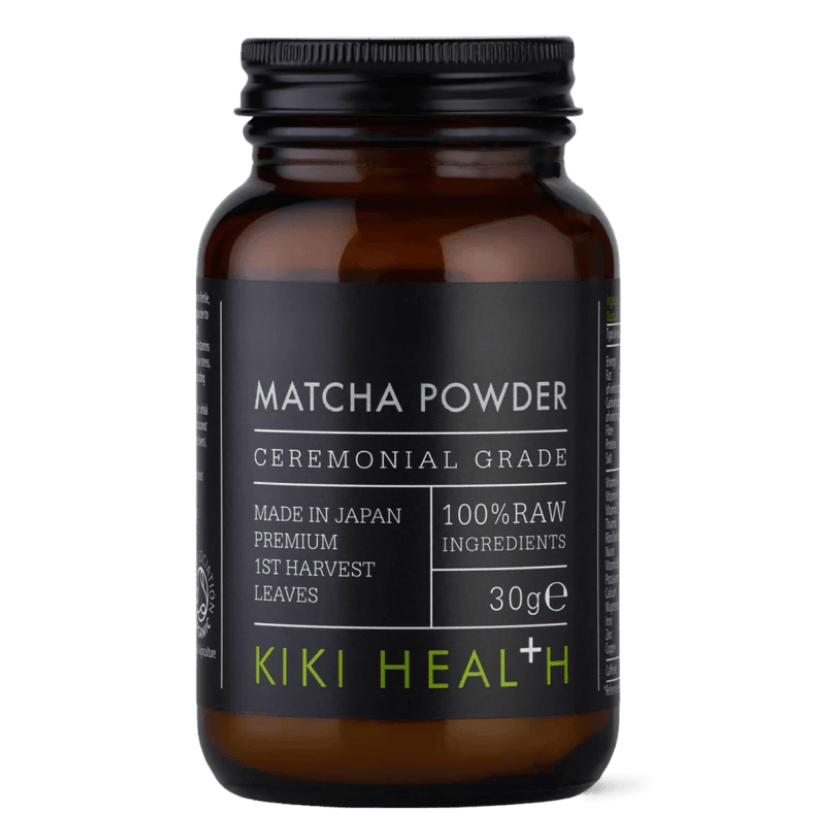
Alternatief voor Matcha Powder
Our mission is that people with the correct information choose their health products


